
Understanding Diarrhea and Its Side Effects
Diarrhea is characterized by an increased frequency of bowel movements with soft or watery stools. This digestive issue often comes with fatigue, apathy, and bloating². In severe cases, it can quickly lead to dehydration, a potentially life-threatening condition¹ ³.
According to the World Health Organization (WHO), diarrhea is the second leading cause of death among children under five, resulting in 525,000 deaths annually in this age group¹.
Why Does Diarrhea Lead to Dehydration?
Diarrhea causes the body to lose large amounts of fluids and essential minerals such as sodium, potassium, and chloride. If not replenished quickly, this fluid loss can destabilize the body’s water balance, leading to acute dehydration³ ⁴.
Signs and Symptoms of Dehydration
In Adults³ ²
- Dry mouth and excessive thirst (seen in over 80% of cases)
- Unexplained fatigue
- Dizziness or headaches
- Dark, infrequent urine

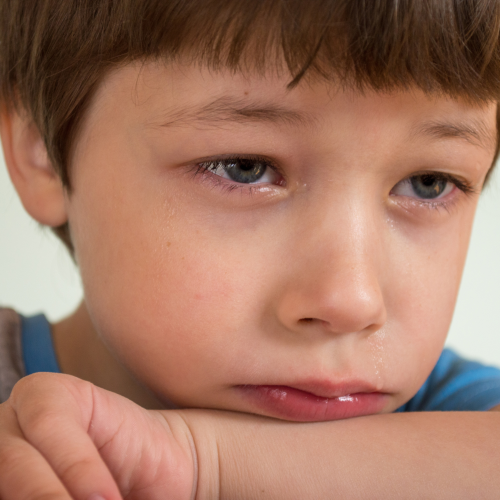
In Children¹ ³ ⁵
- Reduced tears when crying
- Sunken soft spot on the head (fontanelle)
- Irritability or unusual drowsiness
- Rapid weight loss (5–10% of body weight)
Levels of Dehydration: Symptoms and Actions
Mild dehydration
- Symptoms: Thirst, dry mouth, dark urine
- Recommended action: Increase water intake and monitor closely³
Moderate dehydration
- Symptoms: Fatigue, dizziness, headaches
- Recommended action: Use oral rehydration solutions³ ⁴
Severe dehydration
- Symptoms: Confusion, sunken eyes, skin tenting, weight loss >10%
- Recommended action: Seek immediate medical attention¹ ³
What to Drink When Dehydrated from Diarrhea
Best Drinks When you get diarrhea :
Hydration is the most crucial step in recovery. Recommended drinks include³ ⁴:
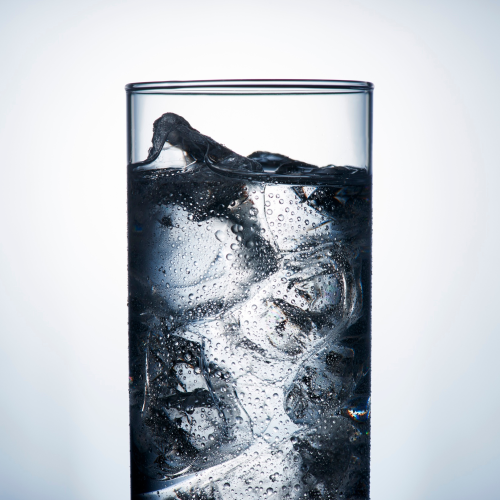
- Mineral water (non-carbonated, room temperature)
- Oral rehydration solutions (ORS) such as WHO- reduced osmolarity ORS ( Glucose 75 mEq/l, sodium 75 mEq/l, osmolarity 245 mOsm/l)⁴
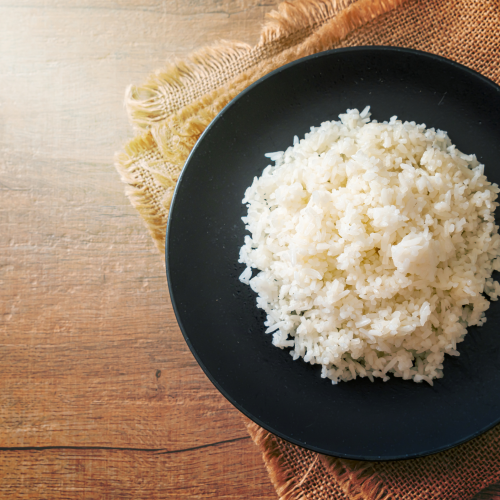
- Fruit compotes, clear broths, white rice water, diluted juices²
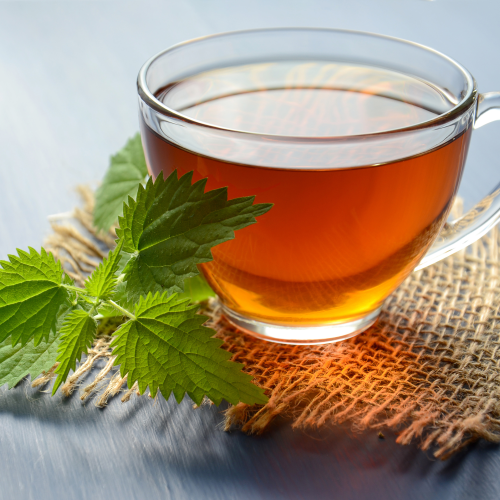
- Herbal teas (like chamomile or peppermint)
Drinks to Avoid When you get diarrhea:
- Sugary sodas²
- Coffee and strong black tea²
- Milk (except probiotic yogurt)¹²
- Alcoholic beverages²
Tip: Aim for 15–20 glasses of water daily during diarrhea, which is double the usual daily intake² ³ ⁵.
Habits That Worsen Dehydration
To avoid worsening dehydration:
- Avoid intense physical activity³
- Stay in cool environments to prevent excessive sweating³
- Avoid foods containing lactose or fructose if intolerant² ¹²
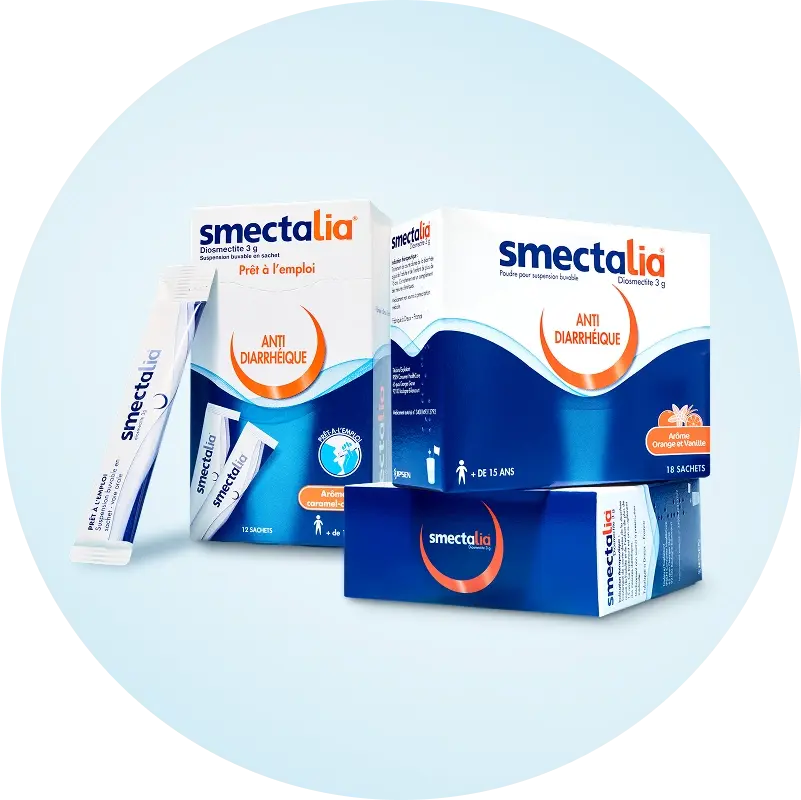
Why Smecta® Is the Right Choice
- Traps or adsorbs the causal agents or infective agents⁶ ⁷
- Protects and reinforces the intestinal mucosa with its coating capacity⁸
- Clinically validated for most diarrhea types⁹
- Safe for children, adults and travelers¹⁰
- Recommended by international guidelines in combination with ORS in children⁹
- Easy to use – available in Ready to Use Stick
- Made from natural ingredients – natural therapeutic clay¹¹
- High Quality standards from extraction, purification and release, preserving the properties of a natural clay¹¹
Smecta doesn’t mask the symptoms – it treats and stops diarrhea fast and supports intestinal recovery with an excellent safety profile¹⁰ ¹¹.
FAQ
How much water should I drink with diarrhea?
Aim for 2–3 liters per day, or about 15–20 glasses of water² ³ ⁵.
Are sports drinks effective for dehydration?
They can help if low in sugar and rich in electrolytes, but medical-grade ORS is better² ⁴.
Can I drink fruit juice?
Only if it’s diluted and consumed with food. Avoid sugary, processed juices² ³.
Is milk safe during diarrhea?
Generally, avoid milk. Probiotic yogurt may help restore gut flora² ¹².
What are signs of severe dehydration?
Drowsiness, confusion, sunken eyes, skin not bouncing back when pinched¹ ³.
Références :
- World Health Organization (WHO). Diarrhoeal disease: Key facts.
- Mayo Clinic. Diarrhea: Causes and treatments.
- MedlinePlus. Dehydration.
- World Health Organization. Oral Rehydration Salts (ORS) – Reduced osmolarity formula (WHO/FCH/CAH/06.1).
- UNICEF. Hydration and child health.
- Brouillard MY, Rateau JG. Pouvoir d’adsorption de deux argiles, la smectite et le kaolin, sur des entérotoxines bactériennes. Gastroenterol Clin Biol. 1989;13(1):18–24.
- Droy-Lefaix MT, et al. Influence of two antidiarrhoeals on bacterial colonization of intestinal mucosa by Campylobacter jejuni and retention of its integrity. Rev Inst Pasteur Lyon. 1986;19:29–37.
- Serrano JJ. Smectite: Study of the specific surface area, coating capacity and antiulcerative activity. Ipsen report; 1986.
- Dupont C, et al. Oral diosmectite reduces stool output and diarrhea duration in children with acute watery diarrhea. Clin Gastroenterol Hepatol. 2009;7:456–62.
- Smecta. Summary of Product Characteristics (SmPC).
- Guarino A, et al. Clinical role of diosmectite in the management of diarrhea. Expert Opin Drug Metab Toxicol. 2009;5(4):433–40.
- National Institute of Diabetes and Digestive and Kidney Diseases (NIDDK). Diarrhea – Eating, diet, and nutrition.
See more
SCA-GO-002094