par admin_smecta-fr | 12 02 2026 | Alimentation et hydratation, Causes et Symptômes, Prévention et traitement
La diarrhée peut rapidement entraîner une perte importante d’eau et de sels minéraux et donc une déshydratation si l’on n’y prend pas garde. Découvrez comment bien s’hydrater, reconnaître les signes de déshydratation et adapter votre alimentation pour rester en forme malgré la diarrhée.
par admin_smecta-fr | 12 02 2026 | Alimentation et hydratation, Enfants, Prévention et traitement
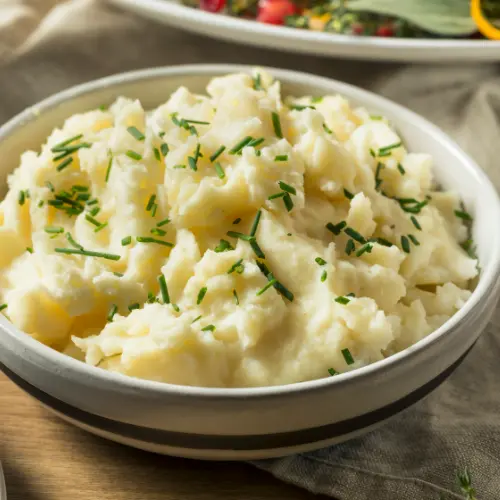
Que manger en cas de diarrhée aiguë ? Quels aliments éviter en cas de diarrhée ? Quels aliments privilégier pour stopper la diarrhée ? Voici les bons réflexes alimentaires en cas de diarrhée.
Lors d’un épisode de diarrhée, certains aliments peuvent aider votre digestion et limiter la déshydratation. Privilégiez des repas légers : féculents raffinés, viandes blanches, fruits cuits comme la pomme ou la banane. Hydratez-vous régulièrement avec de l’eau, des bouillons ou des soupes pour compenser les pertes. Des gestes simples qui font la différence pour un rétablissement plus rapide.
par Paul Segado | 26 09 2025 | Alimentation et hydratation, Causes et Symptômes, Enfants, Prévention et traitement, Voyage
Diarrhea, defined as passing watery or loose stools three or more times a day, is not a disease but a symptom of various conditions, particularly gastrointestinal infections. These infections are often caused by pathogens—bacteria, viruses, or parasites—entering the body via contaminated food, unsafe drinking water, or poor hygiene.
Dealing with diarrhea promptly is crucial. The condition can lead to severe dehydration, nutrient loss, and fatigue. Proper dietary choices during this period can accelerate recovery and reduce symptoms effectively.

par Paul Segado | 26 09 2025 | Alimentation et hydratation, Causes et Symptômes, Prévention et traitement, Stress et émotions
Diarrhea, defined as passing watery or loose stools three or more times a day, is not a disease but a symptom of various conditions, particularly gastrointestinal infections. These infections are often caused by pathogens—bacteria, viruses, or parasites—entering the body via contaminated food, unsafe drinking water, or poor hygiene.
Dealing with diarrhea promptly is crucial. The condition can lead to severe dehydration, nutrient loss, and fatigue. Proper dietary choices during this period can accelerate recovery and reduce symptoms effectively.

par Paul Segado | 26 09 2025 | Alimentation et hydratation, Causes et Symptômes, Enfants, Prévention et traitement
Diarrhea, defined as passing watery or loose stools three or more times a day, is not a disease but a symptom of various conditions, particularly gastrointestinal infections. These infections are often caused by pathogens—bacteria, viruses, or parasites—entering the body via contaminated food, unsafe drinking water, or poor hygiene.
Dealing with diarrhea promptly is crucial. The condition can lead to severe dehydration, nutrient loss, and fatigue. Proper dietary choices during this period can accelerate recovery and reduce symptoms effectively.
par Paul Segado | 17 09 2025 | Alimentation et hydratation, Enfants, Prévention et traitement
Diarrhea, defined as passing watery or loose stools three or more times a day, is not a disease but a symptom of various conditions, particularly gastrointestinal infections. These infections are often caused by pathogens—bacteria, viruses, or parasites—entering the body via contaminated food, unsafe drinking water, or poor hygiene.
Dealing with diarrhea promptly is crucial. The condition can lead to severe dehydration, nutrient loss, and fatigue. Proper dietary choices during this period can accelerate recovery and reduce symptoms effectively.