

What Is Acute Gastroenteritis?
Acute gastroenteritis is a common digestive illness that affects both adults and children¹²³⁻⁴. It refers to an inflammation of the gastrointestinal mucosa, usually resulting in vomiting, diarrhea, nausea, and abdominal cramps¹ ⁴.
This condition is primarily caused by viruses such as norovirus, rotavirus, and adenovirus¹²⁴⁻⁵. However, bacteria and parasites can also be responsible⁶⁻⁷. This condition is highly contagious, especially when of viral origin¹².
Viral Gastroenteritis
Most cases, particularly in winter, are caused by viruses like:
- Rotavirus – A major cause of diarrhea in children aged 6–24 months. It often leads to significant dehydration and is responsible for many pediatric hospitalizations¹⁴⁻⁵.
- Norovirus (Calicivirus) – The leading cause of gastroenteritis outbreaks across all age groups².
- Adenovirus – Frequently affects young children with symptoms of diarrhea¹².
Vaccination against rotavirus has significantly decreased the number of serious cases in several countries⁵.
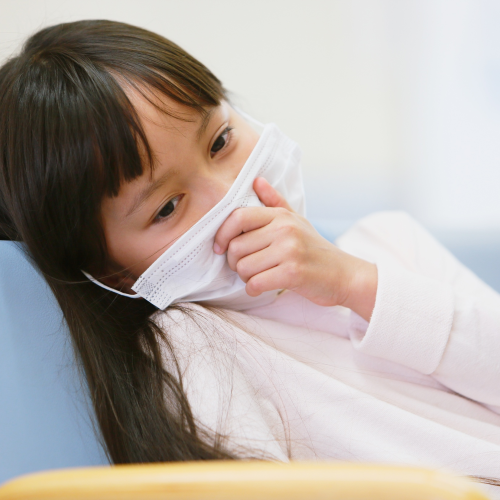

Bacterial Gastroenteritis
More common during summer, especially in developing countries. Common bacterial agents include:
- Escherichia coli (E. coli) – Especially affects children⁶.
- Campylobacter – Linked to rural areas with cattle; causes watery or bloody diarrhea⁶.
- Shigella – Common in young children⁶.
- Salmonella – Spread by infected animals or contaminated food; symptoms include nausea, vomiting, and watery to dysenteric diarrhea⁶⁻⁷.
- Cholera (Vibrio cholerae) – Causes life-threatening dehydration within hours if not treated. Known for « rice water stools » and absence of fever⁷.
Parasitic Gastroenteritis
The most common culprit is Giardia intestinalis, found in:
- 2–5% of children in developed countries ⁹
- Up to 30% in developing regions ⁹
It causes chronic diarrhea and is linked to poor sanitation and water quality. ¹⁰

How Gastroenteritis Spreads
Fecal-Oral Route
This is the most common transmission pathway¹ ⁸, especially for bacterial, protozoal, and parasitic infections.
Contamination can occur through:
- Dirty hands
- Unwashed or improperly cooked food
- Infected fecal matter on bedding, towels, toys, or utensils
Airborne Droplets
Certain viruses can also be transmitted through coughing and sneezing, especially in group settings like schools or daycare centers.¹²
Symptoms of Acute Gastroenteritis
Symptoms generally appear²⁻⁴ and may include:
- Sudden onset diarrhea (up to 4 times daily or more)
- Nausea and vomiting
- Moderate fever
- Abdominal cramping
- Occasional presence of blood in stool
Hydration is crucial to prevent complications like dehydration¹ ⁴ ⁸.
What to Do If You Have Gastroenteritis
Stay Hydrated
Drink plenty of fluids to prevent dehydration. ¹ ³ ⁴ ⁸
Helpful beverages include:
- Water
- Oral rehydration solutions (ORS)
- Light vegetable broths
- Herbal teas


Seek Medical Advice
In cases of acute diarrhea, pharmacists or qualified doctors may recommend the appropriate treatment. ⁸
Based on the cause, treatment may include:
- Probiotics to restore gut flora⁷
- Antidiarrheal medications⁹
- Enzyme supplements for pancreatic issues
- Antibiotics (only if a bacterial infection is confirmed) ⁷ ⁸
What to Eat During Gastroenteritis
Recommended Foods ³ ⁴ ⁸
- White rice, plain pasta
- Boiled carrots
- Roasted or boiled meats
- Applesauce or ripe apples
- Toast, breadsticks, pretzels
- Fresh cheese (low-fat)
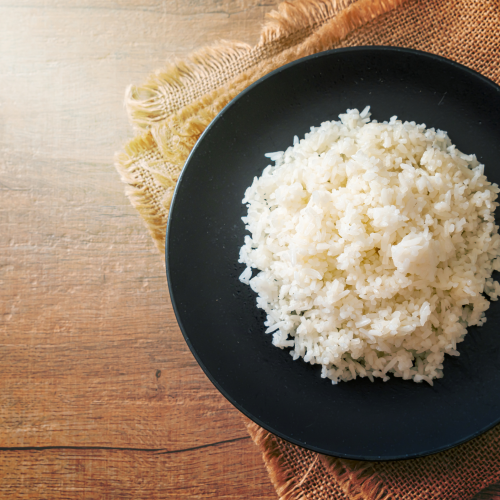

Recommended Drinks
- Salted broths
- Sweetened water
- Herbal teas
Avoid³ ⁴
- Raw fruits and vegetables (except bananas)
- Iced beverages
- Spicy, fatty, or dairy-heavy foods (unless probiotic-based)
Frequent small meals and electrolyte-rich fluids help support recovery.
Protecting Others: Hygiene Tips
To prevent spreading the infection: ¹ ² ⁴ ⁸
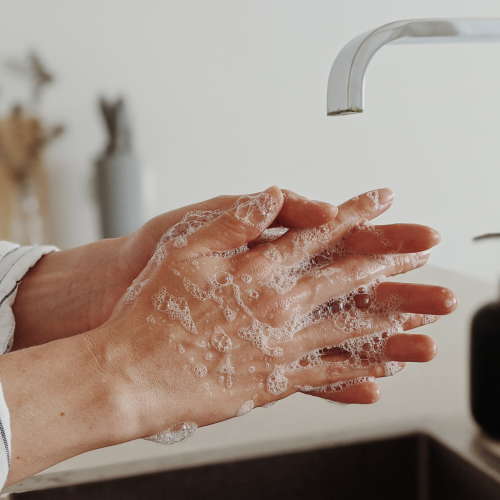
- Wash your hands thoroughly and often
- Change towels regularly
- Store toothbrushes separately
- Disinfect shared surfaces like phones, door handles, and sinks
- Sanitize the toilet after each use
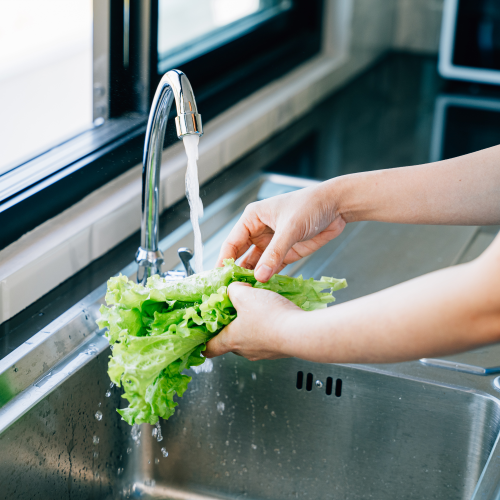
- Wash fruits and vegetables thoroughly
- Use disposable wipes and tissues
- Avoid touching your face with unwashed hands
These steps are especially important if you are around children, elderly individuals, or immunocompromised people.


Why Smecta® Is the Right Choice
- Traps or adsorbs the causal agents or infective agents¹³ ¹⁴
- Protects and reinforces the intestinal mucosa with its coating capacity¹⁵
- Clinically validated for most diarrhea types¹⁰ ¹⁶
- Safe for children and adults⁹
- Recommended by international guidelines in combination with ORS in children¹⁷
- Easy to use – available in Ready to Use Stick⁹
- Made from natural ingredients – natural therapeutic clay¹⁶
- High Quality standards from extraction, purification and release, preserving the properties of a natural clay⁹
Smecta doesn’t mask the symptoms – it treats and stops diarrhea fast and supports intestinal recovery with an excellent safety profile⁹ ¹⁶
FAQ
How long does acute gastroenteritis last?
Most cases resolve within 1–3 days, but symptoms may linger for up to a week³ ⁴.
When should I see a doctor?
Seek medical help if you notice blood in the stool, dehydration symptoms, persistent vomiting, or if symptoms worsen after 48 hours⁴ ⁸.
Is gastroenteritis contagious?
Yes, especially in the first few days. Strict hygiene is crucial to prevent transmission¹ ² ⁴.
What should children eat during gastroenteritis?
Easily digestible foods like rice, bananas, and clear broths³ ⁴. Consult a pediatrician if unsure³.
Can I go to work or school?
Only after symptoms have cleared for at least 24 hours. For children, avoid pools for 2 weeks post-recovery⁴.
Can I prevent it with a vaccine?
Yes, rotavirus vaccines are effective in preventing severe pediatric cases due to rotavirus⁵.


Références :
- World Health Organization (WHO). Gastrointestinal Infections. Available from: https://www.who.int
- Centers for Disease Control and Prevention (CDC). Norovirus and Gastroenteritis. Available from: https://www.cdc.gov/norovirus
- Gastroenteritis Overview. Available from: https://medlineplus.gov/gastroenteritis.html
- Mayo Clinic. Stomach Flu (Gastroenteritis). Available from: https://www.mayoclinic.org/diseases-conditions/viral-gastroenteritis
- Lo Vecchio A, et al. Rotavirus vaccination impact. Acta Pædiatrica. 2016;105(1):15–25. doi:10.1111/apa.13432
- Klark RM, et al. Veterinary Microbiology. 1998;63:137–146.
- Farthing MJG, et al. Acute diarrheal diseases. J Clin Gastroenterol. 2013;47(1):12–20.
- French National Health Insurance (Ameli). Acute Gastroenteritis in Adults – best practices, treatments, prevention. Available from: https://www.ameli.fr
- Patient information leaflet – Smecta®, oral paste 3 g. 17/04/2024 & powder for oral suspension (orange, vanilla, strawberry) 3 g. 18/03/2024.
- Dupont C, Vernisse B. Anti-diarrheal effects of diosmectite in children. Pediatr Drugs 2009;11(2):89-99.
- Júlio C, et al. Giardia prevalence. Parasites & Vectors. 2012;5:22. doi:10.1186/1756-3305-5-22
- Hajare ST, Chekol Y, Chauhan NM. Water quality & sanitation links. PLOS ONE. 2022;17(3):e0264812. doi:10.1371/journal.pone.0264812
- Brouillard MY, Rateau JG. Pouvoir d’adsorption de la smectite et du kaolin sur des entérotoxines bactériennes. Gastroenterol Clin Biol. 1989;13(1):18–24
- Droy-Lefaix MT, et al. Influence of two antidiarrhoeals on bacterial colonization of intestinal mucosa by Campylobacter jejuni and retention of its integrity. Rev Inst Pasteur Lyon. 1986;19:29–37
- Serrano JJ. Smectite: Study of the specific surface area, coating capacity and antiulcerative activity. Ipsen Report. 1986
- Guarino A, et al. Clinical role of diosmectite in the management of diarrhea. Expert Opin Drug Metab Toxicol. 2009;5(4):433–40
- World Gastroenterology Organisation (WGO). Acute diarrhea in adults and children: a global perspective. 2012
See more
SCA-GO-002499