
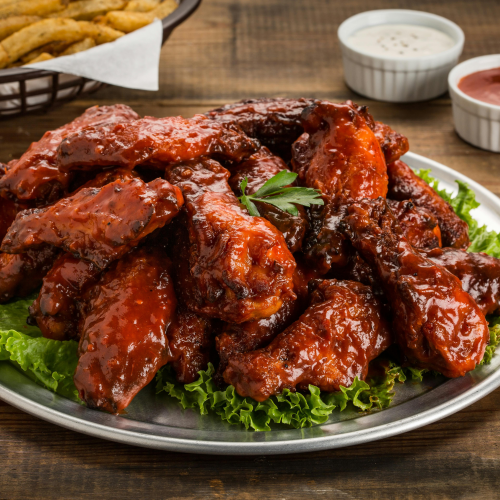
What Is Food Poisoning?
Food poisoning, or acute foodborne illness, arises after consuming contaminated food or drink. This contamination stems from harmful microorganisms that can infiltrate food at any point—from production and storage to preparation. Environmental factors like polluted water or improper storage, and food handling lapses, also play significant roles¹ ² ³ ⁵ ¹² ¹³.
According to the World Health Organization, roughly 10 % of people worldwide experience foodborne illness annually, and millions of cases are attributed to contaminated food sources each year¹ ¹².
Signs & Symptoms
Symptoms can emerge anywhere from 1 hour to 28 days post consumption, depending on the pathogen³ ¹³ ¹⁴. Typical signs include:
- Diarrhea
- Nausea
- Vomiting
- Fever (usually mild)
- Headache and abdominal discomfort
Severe cases may involve alarming symptoms like:
- Bloody diarrhea or vomit
- High fever
- Severe dehydration
- Neurological symptoms like weakness or confusion
If any alarm signs appear, seek medical attention immediately⁶ ⁷ ⁸ ⁹. Self-diagnosis or home treatments can be dangerous.
Common Causes of Food Poisoning
Bacterial Infections
This group accounts for most cases. Frequent culprits include:
- Salmonella² ³
- Listeria²
- Escherichia coli (E. coli)² ³
Viral Infections
Viruses that enter the food chain—such as norovirus, rotavirus, astrovirus, and sapovirus—can lead to gastrointestinal illness closely resembling gastroenteritis² ³.
Parasitic Infections
Less frequent, but still risky, especially in developing regions. Some parasites like Giardia intestinalis are primarily transmitted through contaminated water, food and poor hygiene practices⁴. It can lead to gastrointestinal symptoms such as diarrhea, abdominal cramps, and bloating, making it a notable contributor to food poisoning cases.

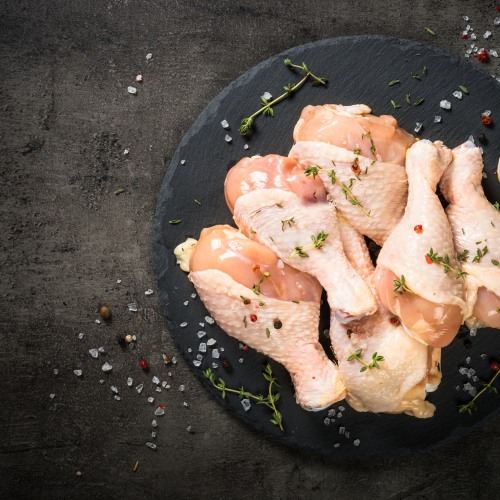
How Contamination Occurs
Food may become contaminated through ¹ ² ³ ⁵:
- Undercooked or raw products (meat, eggs, fish, shellfish)
- Handling with unclean hands or tools
- Improper storage temperatures
- Drinking contaminated water
Seafood, especially oysters and shellfish, can carry pathogens if harvested from polluted waters.
Who Is at Higher Risk?
Certain groups are more vulnerable to severe outcomes ³ ¹³ ¹⁴:
- Infants and young children (underdeveloped immunity)
- Pregnant women (metabolic changes and fetal risk)
- Elderly individuals with weaker immune systems
- Chronically ill patients, including those with diabetes, HIV, liver disease, or undergoing chemotherapy

How to Prevent Food Poisoning
Key food safety habits include ¹ ³ ⁵ ¹²:
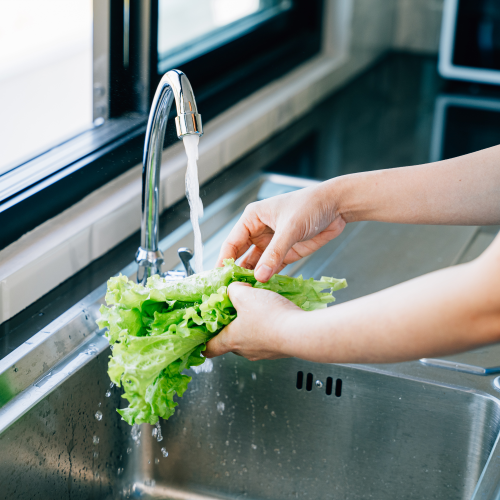
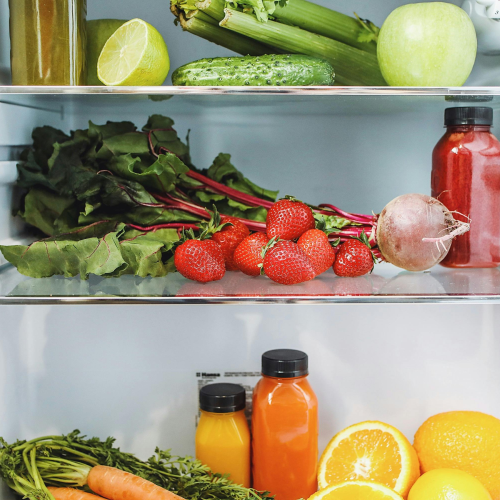
- Wash fruits and vegetables thoroughly
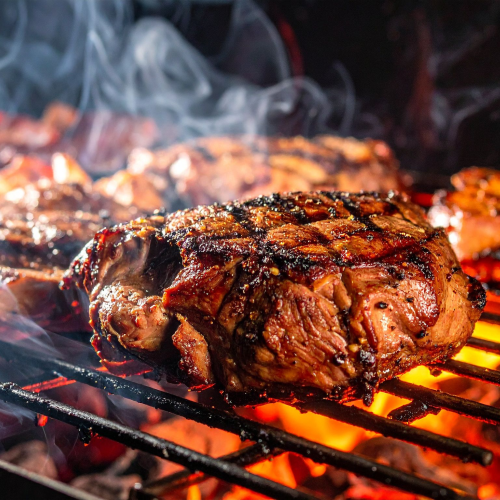
- Cook animal products fully (meat, eggs, dairy)
- Keep raw and cooked foods separate
- Refrigerate perishable items promptly
- Check expiration dates and avoid spoiled items
- Adhere to cold-chain practices during transport and storage
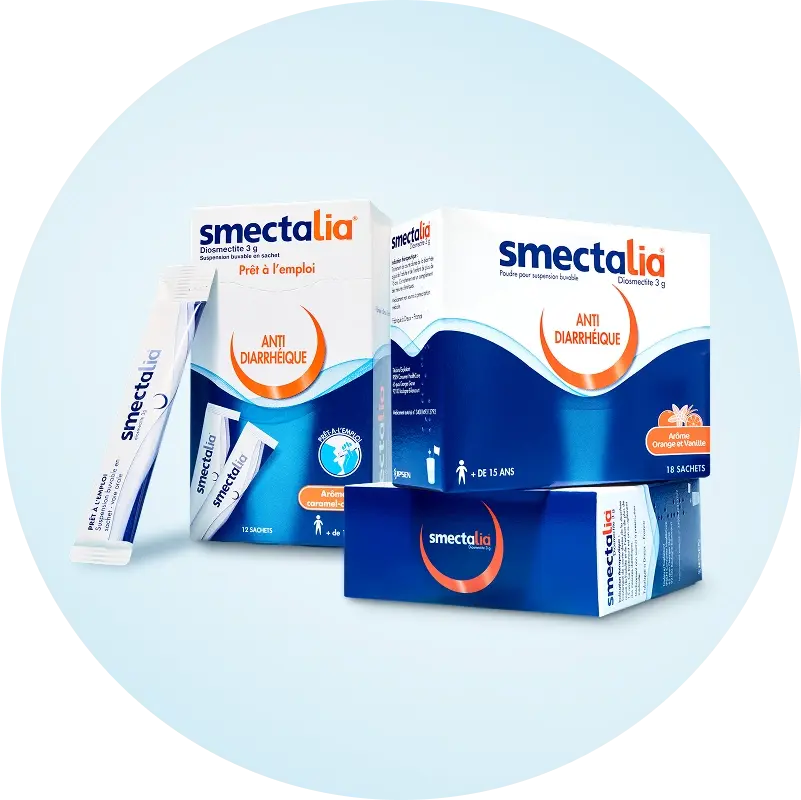
When traveling, especially to places with compromised hygiene standards, follow handwashing protocols and avoid raw street food³ ⁶ ⁹. Carrying basic travel medications, including adsorbents like Smecta®, can help manage symptoms quickly¹¹.
Recovering from Food Poisoning
Hydrate Well
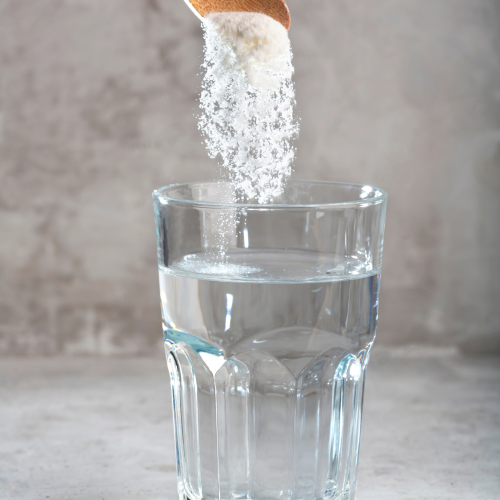
Drink ample fluids, water, herbal teas, broth, and consider oral rehydration solutions if diarrhea is persistent³ ¹³ ¹⁶. Juices with potassium can be helpful too.
Eat Mild, Gentle Foods
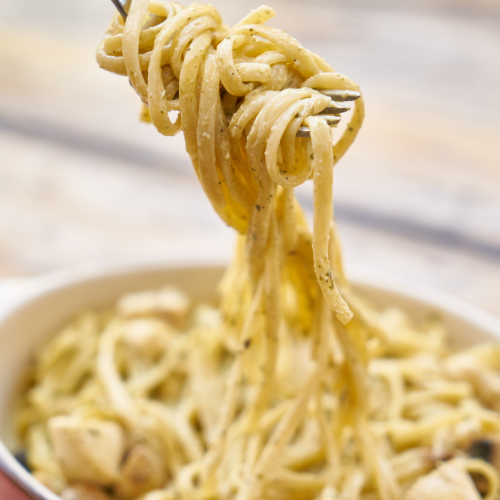
In the recovery phase, follow a simple diet¹⁰ ¹³ ¹⁶:
- Small, frequent meals
- Rice, plain pasta, boiled carrots
- Lean meats or fish, low-fat yogurt
- Toast, applesauce, crackers
Avoid spicy, fried, heavily seasoned, or raw foods during this time.
Traveler’s Diarrhea vs. Food Poisoning
Traveler’s diarrhea typically occurs when visiting regions with lower sanitation standards and is usually caused by bacteria like E. coli in contaminated food or water² ³. Food poisoning, however, can happen anywhere and results from consuming food contaminated with bacteria, viruses, parasites, or toxins¹ ³ ¹². While both cause similar symptoms like diarrhea and nausea, traveler’s diarrhea is travel-specific, whereas food poisoning is more general.
Why Smecta® Is the Right Choice
- Traps or adsorbs the causal agents or infective agents¹⁷ ¹⁸
- Protects and reinforces the intestinal mucosa with its coating capacity¹⁹
- Clinically validated for most diarrhea types²⁰ ²¹
- Safe for children and adults¹¹
- Recommended by international guidelines in combination with ORS in children²⁰
- Easy to use – available in Ready to Use Stick¹¹
- Made from natural ingredients – natural therapeutic clay²¹
- High quality standards from extraction, purification and release, preserving the properties of a natural clay¹¹ ²¹
Smecta doesn’t mask the symptoms – it treats and stops diarrhea fast and supports intestinal recovery with an excellent safety profile¹¹ ²¹
FAQ
How soon do symptoms appear?
Symptoms can show from 1 hour up to 28 days, depending on the contaminant³ ¹³ ¹⁴.
When should I see a doctor?
Seek care if you notice bloody stools, high fever, severe vomiting, signs of dehydration, or symptoms lasting over 48 hours⁶ ⁷ ⁸ ⁹.
How can food poisoning be prevented?
Practice proper food hygiene: wash hands and utensils, cook thoroughly, avoid expired items, and store foods at safe temperatures¹ ³ ⁵ ¹².
What should I eat when recovering?
Choose bland, low-fat and easily digestible foods like rice, lean protein, boiled vegetables, crackers, and applesauce¹⁰ ¹³ ¹⁶.
Is it okay to self-medicate?
You may use medications like Smecta® as recommended if you have no fever and no blood in the stools, but you should seek medical advice for severe or prolonged symptoms¹¹.
Are certain groups more at risk?
Yes: infants, pregnant women, elderly people, and those with compromised immunity require extra caution and may need medical support promptly³ ¹³ ¹⁴.

Références :
- World Health Organization. Estimated global impact of foodborne disease.
- Centers for Disease Control and Prevention (CDC). Foodborne Illnesses and Germs.
- Mayo Clinic. Food Poisoning Overview.
- MedlinePlus. Toxoplasmosis FAQ.
- World Health Organization. Food safety and safe storage guidelines.
- Pankratov S. First aid in case of poisoning. 2020.
- Luzhnikova EA, Sukhodolova GN. Acute intoxication in adults and children. 2009.
- Sadovnikova II. Household poisoning: Effective care at the prehospital stage. RMJ. 2010.
- EMERCOM of Russia. First aid manual: First aid for poisoning.
- Dietary recommendations. 2020.
- Patient information leaflet – Smecta, oral paste 3 g (17/04/2024). Powder for oral suspension (18/03/2024).
- World Health Organization. Foodborne diseases.
- NIDDK. Symptoms and causes of food poisoning.
- NIDDK. Definition and facts of food poisoning.
- NIDDK. Treatment of food poisoning.
- MedlinePlus. Oral rehydration.
- Brouillard MY, Rateau JG. Pouvoir d’adsorption de deux argiles, la smectite et le kaolin, sur des entérotoxines bactériennes. Gastroenterol Clin Biol. 1989;13(1):18–24.
- Droy-Lefaix MT, et al. Influence of two antidiarrhoeals on bacterial colonization of intestinal mucosa by Campylobacter jejuni and retention of its integrity. Rev Inst Pasteur Lyon. 1986;19:29–37.
- Serrano JJ. Smectite: Study of the specific surface area, coating capacity and antiulcerative activity. Ipsen Report. 1986.
- Dupont C, et al. Oral diosmectite reduces stool output and diarrhea duration in children with acute watery diarrhea. Clin Gastroenterol Hepatol. 2009;7:456–62.
- Guarino A, et al. Clinical role of diosmectite in the management of diarrhea. Expert Opin Drug Metab Toxicol. 2009;5(4):433–40.
See more
SCA-GO-002499