
Managing diarrhea through diet is one of the most effective ways to ease symptoms and speed recovery. Learn which foods support gut health, prevent dehydration, and help you get back to feeling better faster.
Understanding Diarrhea: Causes and Consequences
Diarrhea, defined as passing watery or loose stools three or more times a day¹ ², is not a disease but a symptom of various conditions, particularly gastrointestinal infections³.
These infections are often caused by pathogens—bacteria, viruses, or parasites—entering the body via contaminated food, unsafe drinking water, or poor hygiene¹ ³.
Dealing with diarrhea promptly is crucial¹ ⁴. The condition can lead to severe dehydration, nutrient loss, and fatigue² ⁴. Proper dietary choices during this period can accelerate recovery and reduce symptoms effectively³.
Why Diet Matters When You Have Diarrhea
When your digestive system is under distress, the right diet acts as a healing tool² ³. Eating foods that are gentle on your gut, easy to digest, and rich in essential nutrients can help restore normal bowel function and prevent complications².
A structured eating plan also helps manage symptoms, reduces intestinal inflammation, and replenishes lost fluids and electrolytes¹ ⁴. It is important to avoid foods that irritate the gut or exacerbate the condition³.
What to Include in Your Diet During Diarrhea
Light and Nutritious Breakfast Choices
A good breakfast for someone experiencing diarrhea should be simple, low-fat, and non-irritating² ³. High-fiber foods like whole grains should be limited as they may worsen symptoms¹ ².
Suggested Breakfast Options :
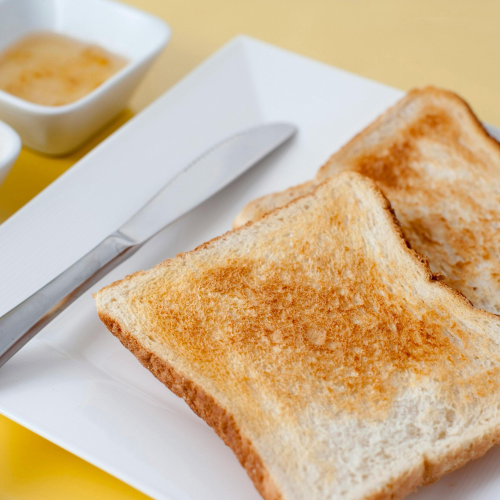
- Lightly toasted white bread (1–2 slices)
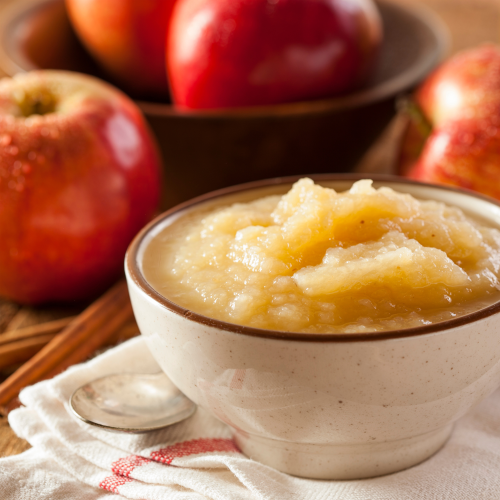
- Applesauce (rich in pectin for stool formation)
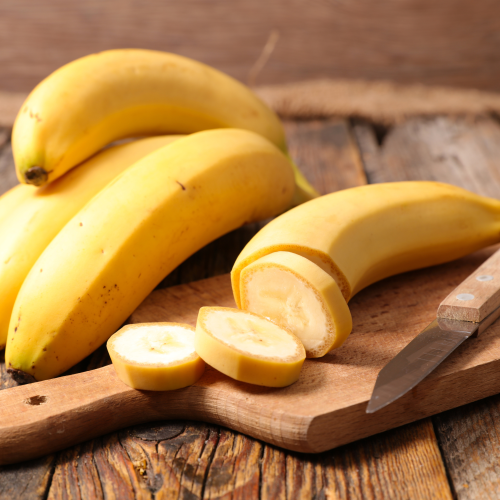
- Bananas (rich in pectin and moderate portions for potassium)
- Soft-boiled rice porridge
Food rich in pectin (bananas and applesauce) or white rice are particularly useful due to their easy-to-digest forms and content of soluble fiber (pectin) or resistant starch (white rice), which help to absorb excess water in the intestines, maintain electrolyte balance, reduce the number of stools per day, and improve stool consistency² ⁴.
Balanced Lunch and Dinner Meals
Smaller, more frequent meals are easier to digest and help in better absorption of nutrients² ³.
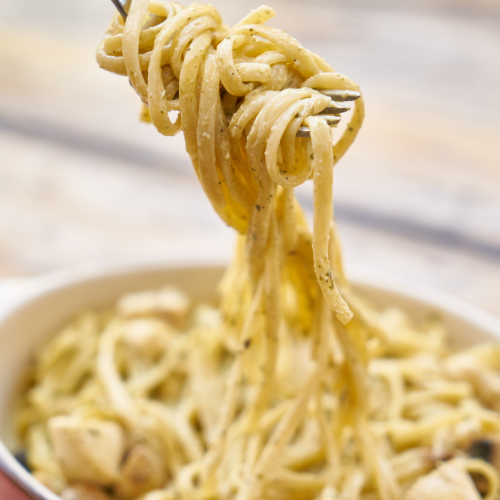
- Boiled chicken (lean protein, easy to digest)
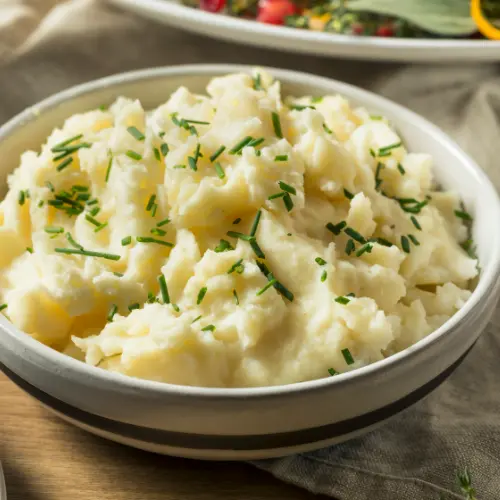
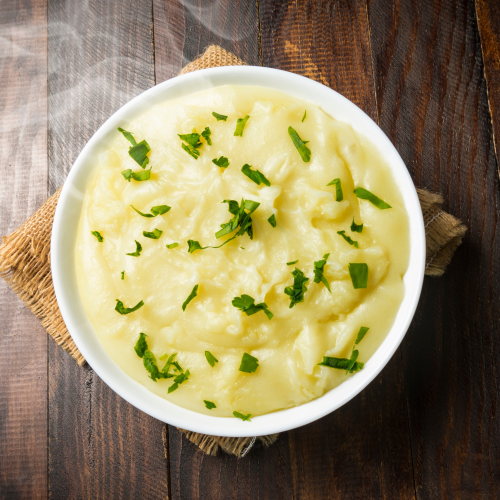
- Mashed or boiled potatoes (high in starch, gut-friendly)
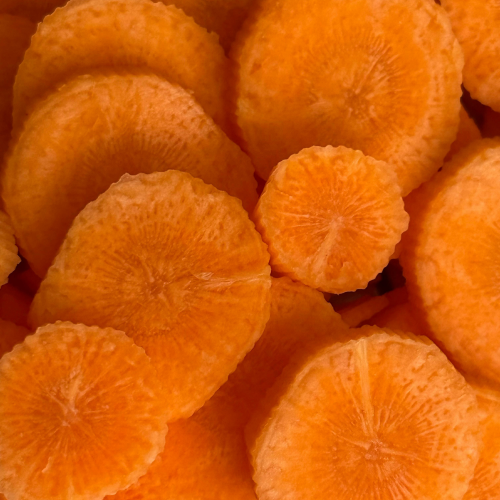
- Steamed carrots or peeled zucchini (low fiber, gut-soothing)
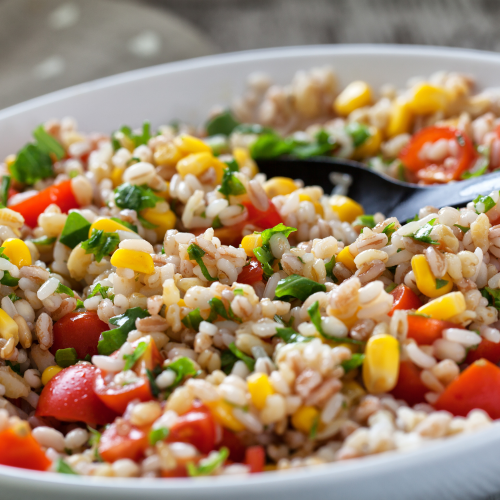
- White rice or soft pasta
- Salted crackers or plain rolls
- Chicken broth, light vegetable soup and white rice water
These options are gentle on the intestines and provide the energy needed without irritating the gut² ³ ⁴.
Foods to Avoid when you get diarrhea:
- Raw vegetables like cabbage
- Fried, spicy, or fatty foods
- Whole grains and bran
- Processed and sugary snacks² ³
Avoiding these helps limit irritation to the intestinal lining and prevents aggravating symptoms³ ⁴.
Hydration: What You Should Be Drinking
One of the most significant risks of diarrhea is dehydration¹ ⁴. Fluids are lost rapidly, and electrolytes like sodium and potassium must be replaced¹ ².
Recommended Drinks When you get diarrhea:
- Mineral water (non-carbonated)
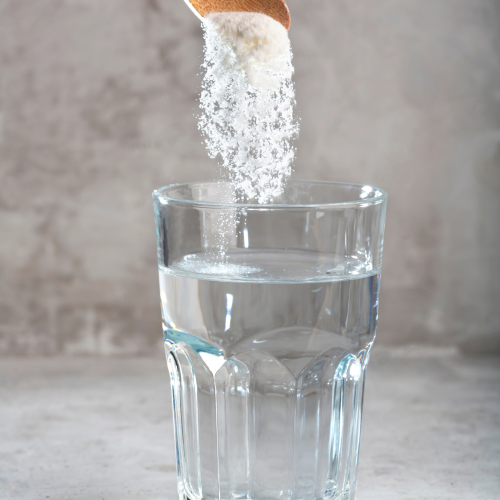
- Oral rehydration solutions (ORS)¹ ⁴
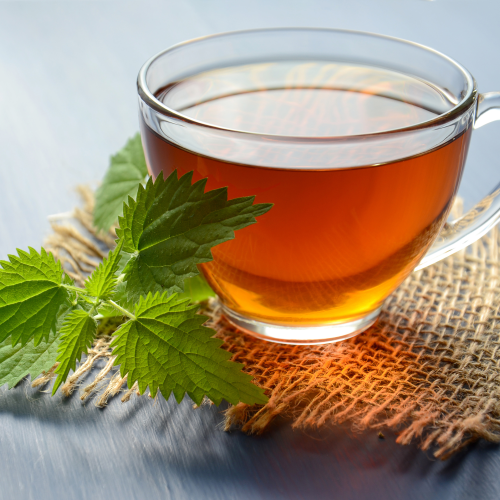
- Herbal teas (like chamomile)³
- Homemade fruit compotes
- White rice water
- Clear broths
Avoid These Beverages When you get diarrhea:
- Coffee²
- Alcohol²
- Carbonated drinks³
- Milk and heavy dairy (except yogurt)² ⁴
Additional Remedies and Medications
While drinks and diet play a pivotal role in managing diarrhea, medications can be essential, particularly in cases caused by infections³.
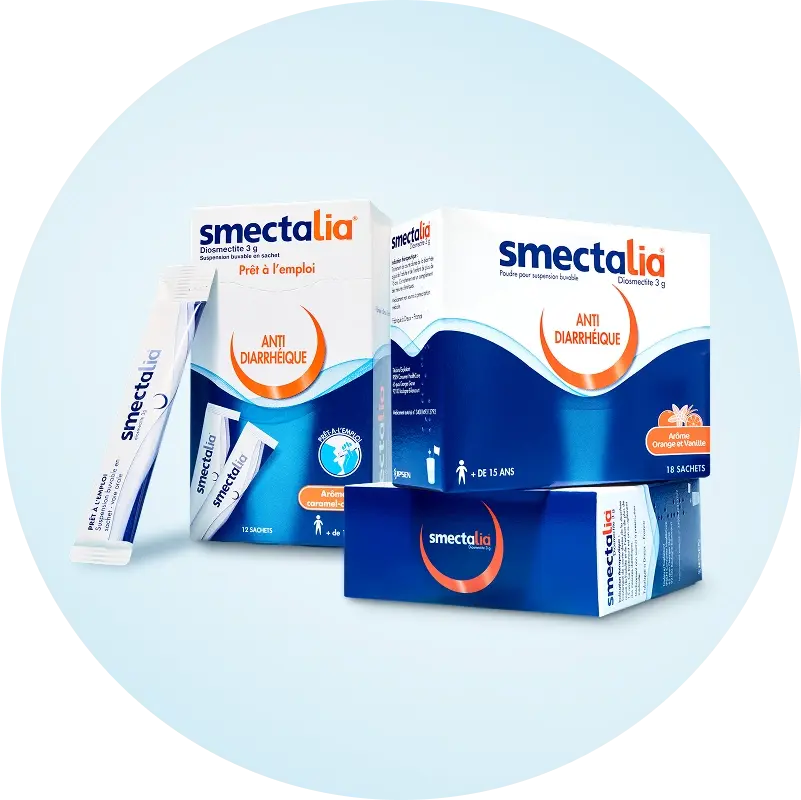
Adsorbents like Smecta® (Diosmectite) are commonly recommended⁵ ⁶. These work by:
-
Adsorbing toxins and pathogens⁵
-
Reinforcing the intestinal lining⁶
-
Reducing diarrhea and alleviating abdominal discomfort⁵ ⁶.
Always consult a healthcare provider before starting any medication¹ ³.
Why Smecta® Is the Right Choice
- Traps or adsorbs the causal agents or infective agents⁵ ⁶
- Protects and reinforces the intestinal mucosa with its coating capacity⁷
- Clinically validated for most diarrhea types⁸
- Safe for children, adults and travelers⁹
- Recommended by international guidelines in combination with ORS in children⁸
- Easy to use – available in Ready to Use Stick
- Made from natural ingredients – natural therapeutic clay¹⁰
- High quality standards from extraction, purification and release, preserving the properties of a natural clay¹⁰.
Smecta doesn’t mask the symptoms – it treats and stops diarrhea fast and supports intestinal recovery with an excellent safety profile⁹ ¹⁰.
FAQ
Can I eat dairy during diarrhea?
Most dairy should be avoided, except for yogurt with probiotics which can help restore gut flora² ³.
Are bananas good for diarrhea?
Yes, in moderation². They are rich in potassium and pectin, which help firm stools and replenish lost minerals¹ ².
What soups are best for diarrhea?
Clear broths, white rice water, and vegetable soups (with peeled, cooked veggies) are ideal³ ⁴. They are hydrating and easy to digest.
Should I avoid fiber completely?
Insoluble fiber should be limited². Soluble fiber (like that in applesauce or oats) can help bulk up stools² ⁴.
How long should I follow the diarrhea diet?
Stick to it until your bowel movements normalize—usually 3 to 5 days—then slowly reintroduce regular foods² ³.
Références :
- World Health Organization (WHO). Diarrhoeal Disease Overview. https://www.who.int/news-room/fact-sheets/detail/diarrhoeal-disease
- Mayo Clinic. Diarrhea: Causes and Remedies. https://www.mayoclinic.org/diseases-conditions/diarrhea
- National Institute of Diabetes and Digestive and Kidney Diseases (NIDDK). Diarrhea Diet. https://www.niddk.nih.gov/health-information/digestive-diseases/diarrhea
- MedlinePlus. Oral Rehydration. https://medlineplus.gov/ency/article/002303.htm
- Brouillard MY, Rateau JG. Gastroenterol Clin Biol. 1989;13(1):18–24.
- Droy-Lefaix MT, et al. Rev Inst Pasteur Lyon. 1986;19:29–37.
- Serrano JJ. Ipsen Report. 1986.
- Dupont C, et al. Clin Gastroenterol Hepatol. 2009;7:456–62.
- Smecta. Summary of Product Characteristics (SmPC).
- Guarino A, et al. Expert Opin Drug Metab Toxicol. 2009;5(4):433–40.
See more
SCA-GO-002094